Zoning and Licensing Rules for Behavioral Health Treatment Centers: California, Texas, and Florida
Zoning and licensing are the most critical, and most misunderstood, part of buying a behavioral health treatment center. Operating without proper land-use approval or a state license can trigger shutdown orders, fines, or an unusable asset. State health agencies regulate clinical standards and physical-plant requirements; local municipalities govern land use and, often, bed limits. This guide covers the three highest-demand states, plus the federal protections that apply everywhere.
The citations here govern addiction and substance use disorder (SUD) residential treatment facilities. Facilities licensed for mental health treatment only are regulated under different state chapters, so confirm the correct license class for your specific program.
Read this first. The figures below were verified against primary sources as of September 2026. These rules change often and are supplemented by state and local building and fire codes. Confirm the live text with the relevant agency and qualified counsel before you buy or license.
Quick-Reference Comparison
| California (DHCS) | Texas (HHSC) | Florida (DCF / AHCA) | |
|---|---|---|---|
| Authority | Dept. of Health Care Services | Health and Human Services Commission | Dept. of Children and Families / AHCA |
| Primary code | H&S Code Div. 10.5; CCR Title 9 | 26 TAC Ch. 564 (formerly 25 TAC Ch. 448) | FAC Ch. 65D-30 |
| Small-facility zoning shield | Yes: 6 or fewer residents = residential use | No automatic state shield; local zoning governs | No automatic state shield; local zoning governs |
| Commercial zoning trigger | 7+ residents | Set by local jurisdiction | Set by local jurisdiction |
| Bedroom size (licensing rule) | Not fixed in licensing regs; follows building code | Single 80 SF; multi 60 SF/bed (50 SF/bed with bunks) | Not fixed in 65D-30; follows Florida Building Code |
California (DHCS)
California licenses adult alcohol and drug recovery or treatment facilities through the Department of Health Care Services under Health and Safety Code Division 10.5.
The six-bed zoning shield. Under California Health and Safety Code Section 11834.23, a facility serving six or fewer residents is a residential use of property. A city cannot require a conditional use permit, variance, or other zoning clearance that it would not require of a single-family home in that zone. These homes generally do not trigger a change of occupancy under local building codes, so buyers can often acquire a standard house without a commercial structural overhaul. This makes California uniquely friendly to small, boutique programs.
Seven or more residents. Larger facilities generally require commercial or multi-family zoning, local planning review, and a conditional use permit, plus DHCS licensing under CCR Title 9. They also need full commercial fire clearance, obtained through California's state fire-clearance process (the STD 850 form and a local Fire Marshal inspection).
Bedroom dimensions. California's SUD licensing regulations emphasize adequate, safe, private space rather than a single fixed per-bed square footage. Sleeping-room dimensions follow the California Building Code, so verify against the code edition your jurisdiction has adopted.
Texas (HHSC)
Texas licenses chemical dependency treatment facilities through HHSC. Physical-plant standards live in 26 Texas Administrative Code Chapter 564, which was transferred from 25 TAC Chapter 448 effective April 30, 2024. Materials that still cite Chapter 448 refer to the same rules under the old numbering.
- Bedroom space (26 TAC 564.1205): single rooms at least 80 usable SF; multi-occupancy rooms at least 60 usable SF per resident (50 SF per resident with bunk beds).
- Bathroom fixtures (26 TAC 564.1207): at least one sink, one tub or shower, and one toilet for every eight residents.
- Local zoning: Texas gives no automatic statewide residential zoning shield for larger facilities. Get a Zoning Verification Letter (ZVL) from the local planning department confirming your intended use is permitted.
Florida (DCF / AHCA)
Florida regulates residential substance abuse treatment under Florida Administrative Code Chapter 65D-30. Rule 65D-30.007 sets residential treatment service standards, and rule 65D-30.0047 sets general facility standards.
- Bedroom dimensions: Chapter 65D-30 does not fix a numeric per-bed square footage. Room sizes follow the Florida Building Code.
- Food service: food service is tiered by resident count. Facilities housing 11 or more residents (rule 64E-12.004, Tier III) must meet full commercial food-service standards under the Department of Health's food-hygiene rules (Chapter 64E-11).
- Emergency power: Florida's 72-hour generator mandates were written mainly for nursing homes and assisted living facilities. They apply to a treatment center only if it also holds one of those license types, so confirm the governing license class before assuming a generator requirement.
Federal Protection: Fair Housing Act and ADA
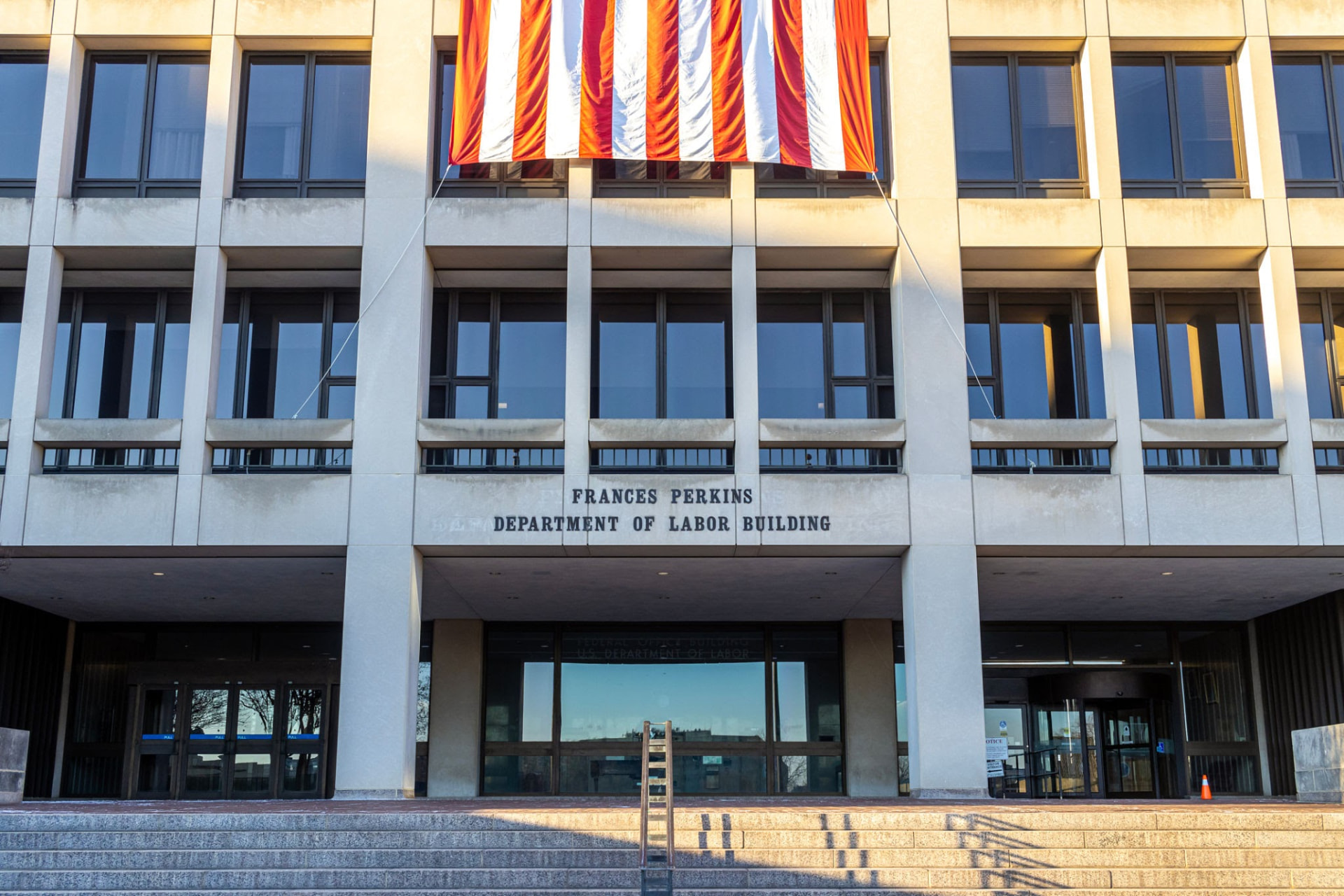
Federal law limits how far a city can go to exclude recovery housing.
- Protected status. Under the Fair Housing Act (42 U.S.C. 3601 et seq.) and the ADA (42 U.S.C. 12131 et seq.), individuals in recovery from substance use disorder are protected as persons with a disability. Current illegal drug use is not protected.
- Reasonable accommodation. Municipalities generally cannot enforce arbitrary distance or dispersal mandates (for example, banning a facility within 1,000 feet of another) that restrict housing for people with disabilities without violating the FHA.
- Filing a request. If a planning department denies a permit, operators can file a formal reasonable-accommodation request under the FHA, which can require the city to grant a reasonable exception.
Pre-Acquisition Zoning Checklist
- Obtain a Zoning Verification Letter confirming residential care is permitted on the parcel.
- Confirm whether your bed count falls under a statutory shield (like California's six-bed rule) or triggers commercial zoning.
- Request a preliminary Fire Marshal walk-through on sprinklers, egress, and alarms.
- Put zoning and licensing contingencies in your purchase contract.
Frequently Asked Questions
How many beds can I have before I need commercial zoning? In California, seven or more residents triggers commercial zoning and a conditional use permit; six or fewer is protected as residential. Texas and Florida set the trigger locally, so check with the municipality.
Can a city ban a treatment center from a residential neighborhood? Generally no. The Fair Housing Act protects people in recovery as individuals with disabilities, and blanket bans or arbitrary spacing rules can violate federal law.
Is a sober living home the same as a licensed treatment center? No. Sober living homes usually provide no clinical treatment and are licensed differently or not at all. This guide covers licensed residential treatment facilities.
Sources
- California H&S Code § 11834.23: https://codes.findlaw.com/ca/health-and-safety-code/hsc-sect-11834-23/
- 26 TAC § 564.1205 (bedroom space): https://www.law.cornell.edu/regulations/texas/26-Tex-Admin-Code-SS-564-1205
- 26 TAC § 564.1207 (fixtures): https://www.law.cornell.edu/regulations/texas/26-Tex-Admin-Code-SS-564-1207
- FAC 65D-30.007: https://regulations.justia.com/states/florida/65/65d/chapter-65d-30/section-65d-30-007/
- FAC 65D-30.0047: https://regulations.justia.com/states/florida/65/65d/chapter-65d-30/section-65d-30-0047/
- FAC 64E-12.004 (food-service tiers): https://www.law.cornell.edu/regulations/florida/Fla-Admin-Code-Ann-R-64E-12-004
- Fair Housing Act (DOJ): https://www.justice.gov/crt/fair-housing-act-1
- 42 U.S.C. § 3601 et seq.: https://www.law.cornell.edu/uscode/text/42/3601
- ADA Title II, 42 U.S.C. § 12131: https://www.law.cornell.edu/uscode/text/42/12131
Disclaimer: This article is general educational information, not legal advice. Statutes and regulations change and are supplemented by local codes. Confirm current requirements with the relevant state agency and qualified counsel before acquiring or licensing a facility.
Regulatory & research sources
Sources are provided for independent verification. Links to official agencies do not imply endorsement.
- California DHCS — Facility licensing for substance use disorder programs — Open source
- California CDSS — Adult Residential Facility licensing requirements — Open source
- Texas HHSC — Chemical dependency treatment facility regulation — Open source
- Florida AHCA — Licensure and background screening requirements — Open source
- Florida DCF — Substance use disorder licensing and regulation — Open source
- DOJ and HUD — Joint statement on group homes, local land use, and the Fair Housing Act — Open source
- ADA.gov — ADA standards for accessible design — Open source
- Federal Register — SAMHSA rulemaking notices — Open source
Related research
- Investing in an RTCOne way to consider property, license, operator, lease, and possible alternate-use risk separately.
- Can drug treatment center real estate outperform other investments?A look at why sector interest is not proof of outperformance and which questions the thesis raises.
- Buying an SUD treatment facilityA starting point for site selection, due diligence, licensing, operations, and acquisition risk.